

Laura Fernández Delgado to be Costa Rica’s 50th President
Costa Rica has chosen its next leader, and the message from voters was clear: stability, security, and economic momentum matter. Laura Fernández Delgado was elected president with 48.3% of the vote, crossing the threshold needed to avoid a second-round runoff, according to the Tribunal Supremo de Elecciones (TSE). Her victory marks both a continuation of the current administration’s direction and a generational shift in leadership.
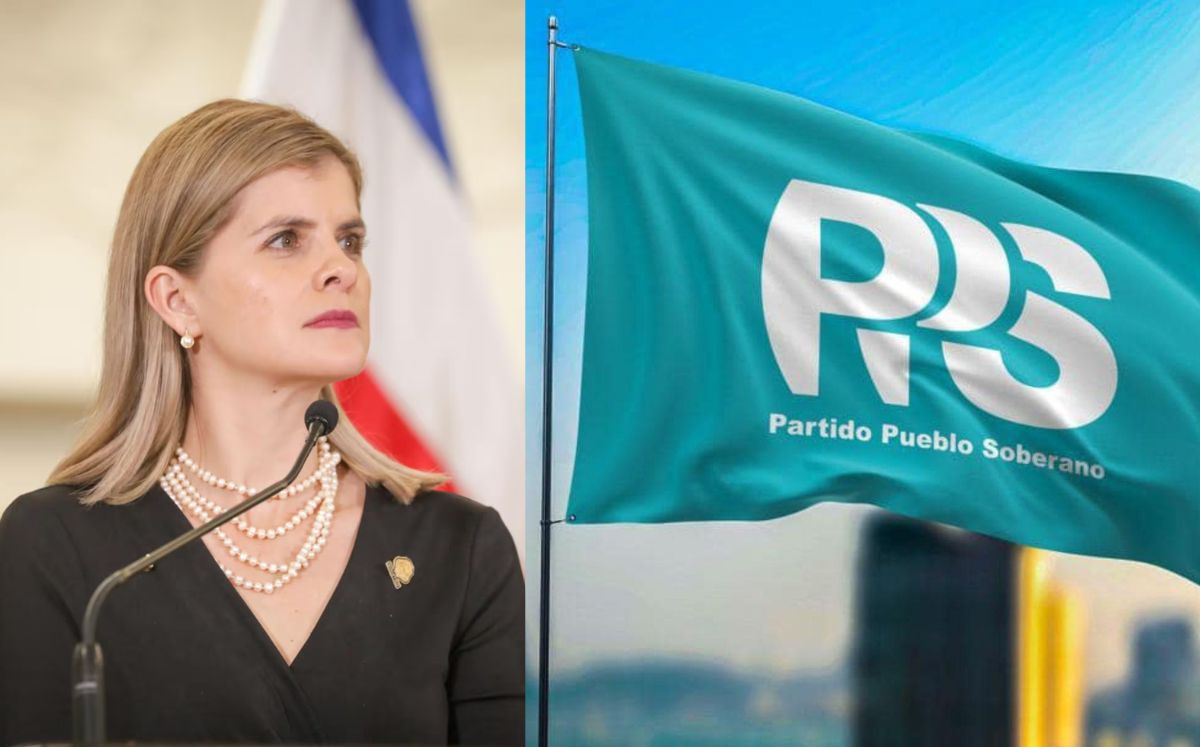
Fernández, widely seen as the political heir to outgoing president Rodrigo Chaves, ran a campaign centered on economic growth and institutional reform. She emphasized support for private enterprise, foreign investment, tourism, and major infrastructure projects, while also promising improvements in education and a firmer stance on public security. These themes resonated with voters at a time when concerns about crime, corruption, and government efficiency have moved to the forefront of national debate.
Tank Tops Flip Flops Newsletter edition no. 249
Early legislative results also worked in Fernández’s favor. Her party made significant gains in the 57-seat Legislative Assembly, giving the incoming president a stronger base of support than many recent administrations have enjoyed. While not enough for unilateral constitutional reforms, this foothold provides Fernández with a valuable head start as she begins negotiations and policy implementation.
The election attracted international interest, in part because it tested Costa Rica’s appetite for a tougher law-and-order agenda within a country long known for its democratic stability and civilian governance. Despite the high stakes, the process itself unfolded smoothly. Voting and vote counting proceeded calmly, reinforcing Costa Rica’s reputation for strong electoral institutions and transparent democratic practices.

Fernández will take office for the 2026–2030 term during a period of political realignment. Traditional parties continue to lose ground, and voters have shown growing impatience with corruption and what many see as slow or ineffective governance. Analysts have framed the election as an informal referendum on Rodrigo Chaves’s confrontational, anti-establishment style—one that Fernández openly embraced while presenting herself as a more measured and technically grounded leader.
Born in Puntarenas on July 4, 1986, Laura Virginia Fernández Delgado brings a background deeply rooted in public policy and state reform. She studied public policy and democratic governance at the University of Costa Rica and began her career working on modernization initiatives within the Ministry of National Planning and Economic Policy, including consulting work through the German Agency for Technical Cooperation (GIZ). Over the years, she built a résumé focused on fiscal policy, public spending, administrative reform, and intergovernmental coordination.
Her experience spans both the executive and legislative branches, including advisory roles in the Legislative Assembly and senior positions within national ministries. Fernández also served briefly at the municipal level in Cartago, adding local government experience to her national policy credentials. In 2022, President Chaves appointed her Minister of National Planning and Economic Policy, and two years later she became Minister of the Presidency, placing her at the center of the administration’s political strategy. In early 2025, she stepped down from both roles to launch her presidential bid.

When Fernández officially entered the race as the candidate of the Sovereign People’s Party (PPSO), she positioned herself as the natural continuation of the Chaves era, which is constitutionally limited to a single term. Among a crowded field of 20 candidates, including five women, she ultimately emerged as the clear winner.
As Costa Rica looks ahead, Fernández’s presidency will be closely watched. Supporters see her as a pragmatic reformer capable of translating political momentum into tangible results. Critics question whether continuity will deliver the deeper institutional changes many voters are demanding. What is certain is that her election reflects a country at a crossroads—seeking security and growth while holding fast to its long-standing democratic traditions.
Tags: Costa Rica Politics, Investing in Costa Rica, Life in Costa Rica